Community science, also known as citizen science, turns individuals into contributors to scientific research. By reporting observations, collecting data, or sharing media like photos and videos, members of the public can assist with large-scale projects requiring extensive data collection.
For instance, think of global initiatives that track bird migrations, butterfly populations, or even urban pollution. These projects depend on one central idea: the power of many. When thousands contribute small pieces of data, they create an invaluable resource for scientists and policymakers.
At its heart, community science democratizes research. It allows laypeople to engage with science directly, creating awareness, broadening participation, and helping researchers access practical insights they may not achieve alone.
The Minnesota Wolf Management Plan has been a hot topic lately, especially amongst deer hunters. With so much disinformation swirling around about the plan's intent and implications, it’s worth taking a closer look at what it really entails. If you’re a deer hunter invested in conservation efforts and wolf population management, understanding how this plan affects you is crucial.
Two key wolf management bills, SF 243 and SF 632, propose pivotal changes that hunters, conservationists, and wildlife enthusiasts alike should take notice of.
These bills aim to address the challenges of coexisting with the gray wolf population in Minnesota while preparing for the species' management after they are federally delisted from the Endangered Species Act (ESA). Let's highlight their importance, and discuss why supporters of sustainable wildlife management should rally behind these efforts.
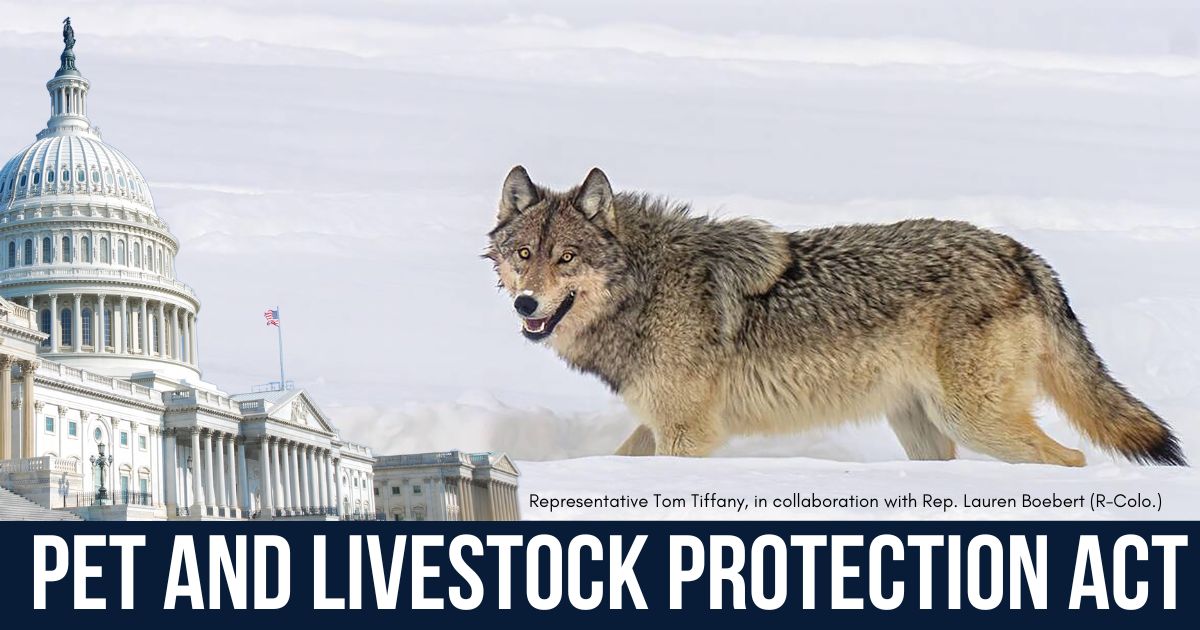
U.S. Representative Tom Tiffany, in collaboration with Rep. Lauren Boebert (R-Colo.), has officially introduced a new bill, titled the Pet and Livestock Protection Act, aimed at removing gray wolves from the federal Endangered Species List nationwide. This legislation follows prior attempts, including the Trust the Science Act in 2022, which successfully passed the House but failed in the Senate. The new bill gains support from 30 co-sponsors, up from the 21 who backed the previous version.
Minnesota’s conservation needs a united front, and three prominent organizations—Safari Club International (SCI), the Minnesota Deer Hunters Association (MDHA), and Wolf Report—have joined forces to address one of the most pressing challenges facing the state. By working together, these organizations aim to push for state control of wolf management while advancing science-led conservation initiatives that benefit hunters, wildlife, and natural habitats.